What Does "On Brand" Mean When You're a Person, Not a Product?
A behind-the-scenes look at Anita's brand session at Pasky Studio and what building a real content library actually takes.
A product has brand guidelines. A style tile. A hex code and a tone of voice document.
A person has a life. Multiple roles. Contradictions. Evolution.
So when someone comes to me wanting to build a visual identity, not just get some nice photos, but actually build something they can use, the first question I ask isn't "what do you want to look like?"
It's "who are you trying to reach, and what do you need them to feel?"
That question changes everything about how we approach a session.
Meet Anita
Anita exists at an intersection that most people wouldn't think to combine: wellness and Web3. She's part of the team behind NRG Haus, Toronto's first social wellness club, and runs Web3 and Wellness, a community exploring what it looks like to live intentionally in a digital world. She studies psychology. She thinks deeply about embodiment and technology in the same breath.
She's not one thing. She's never been one thing.
And when she came to Pasky Studio, she didn't book the session because she needed photos. She booked it because she was ready to build a visual identity that could hold all of her; the personal brand she'd been growing with intention, the wellness community she was helping shape, the version of herself she was stepping more fully into.
That kind of clarity makes for a very different kind of shoot.
The Brief
Before we even talked about lighting or locations in the studio, we talked about platforms.
Where are these images actually going to live? Her website. Her Instagram. Her speaker profile. Pitch decks. Press features. Each of those contexts has a different requirement, different crop, different energy, different level of formality.
We also talked about audience. Who is she speaking to when she shows up as NRG Haus versus Web3 and Wellness versus her personal brand? Are those audiences the same? Do they overlap? What does she need each group to feel when they land on her profile?
And then the question I ask every client before we start: What do you never want to look like?
That last one tends to unlock the most useful information. People know what they don't want far more quickly than they know what they do. And once you know what to avoid, the direction gets a lot cleaner.
By the time we started shooting, we weren't guessing. We had a shot list built around real use cases, not just "nice portraits" but specific images for specific purposes.
Inside the Session
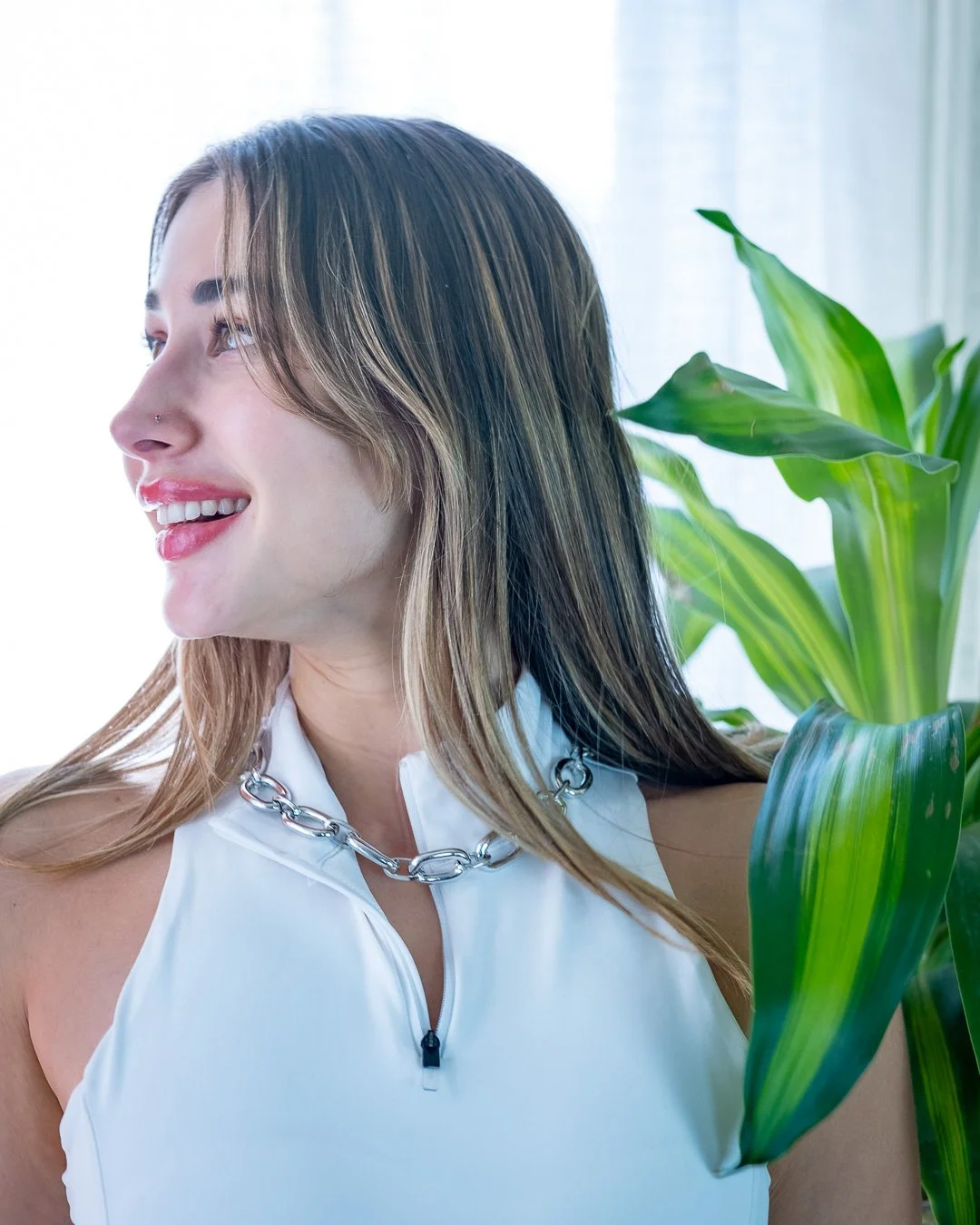
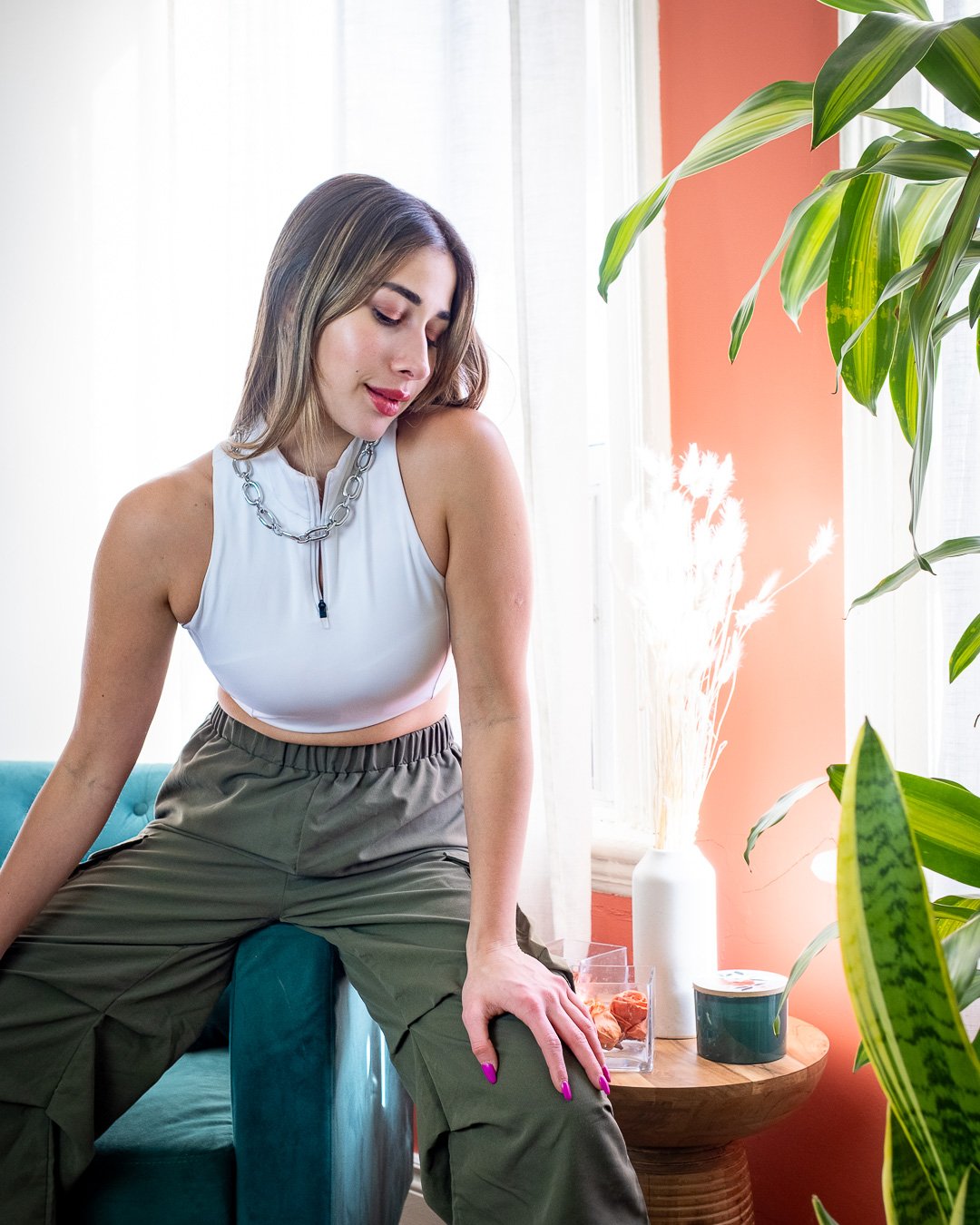
Anita brought bold, editorial energy from the start. There was no warming-up period, no tentative first few frames. She came in knowing who she was and trusting the process, which gave me the freedom to push the creative direction further than I might with someone earlier in their relationship with being photographed.
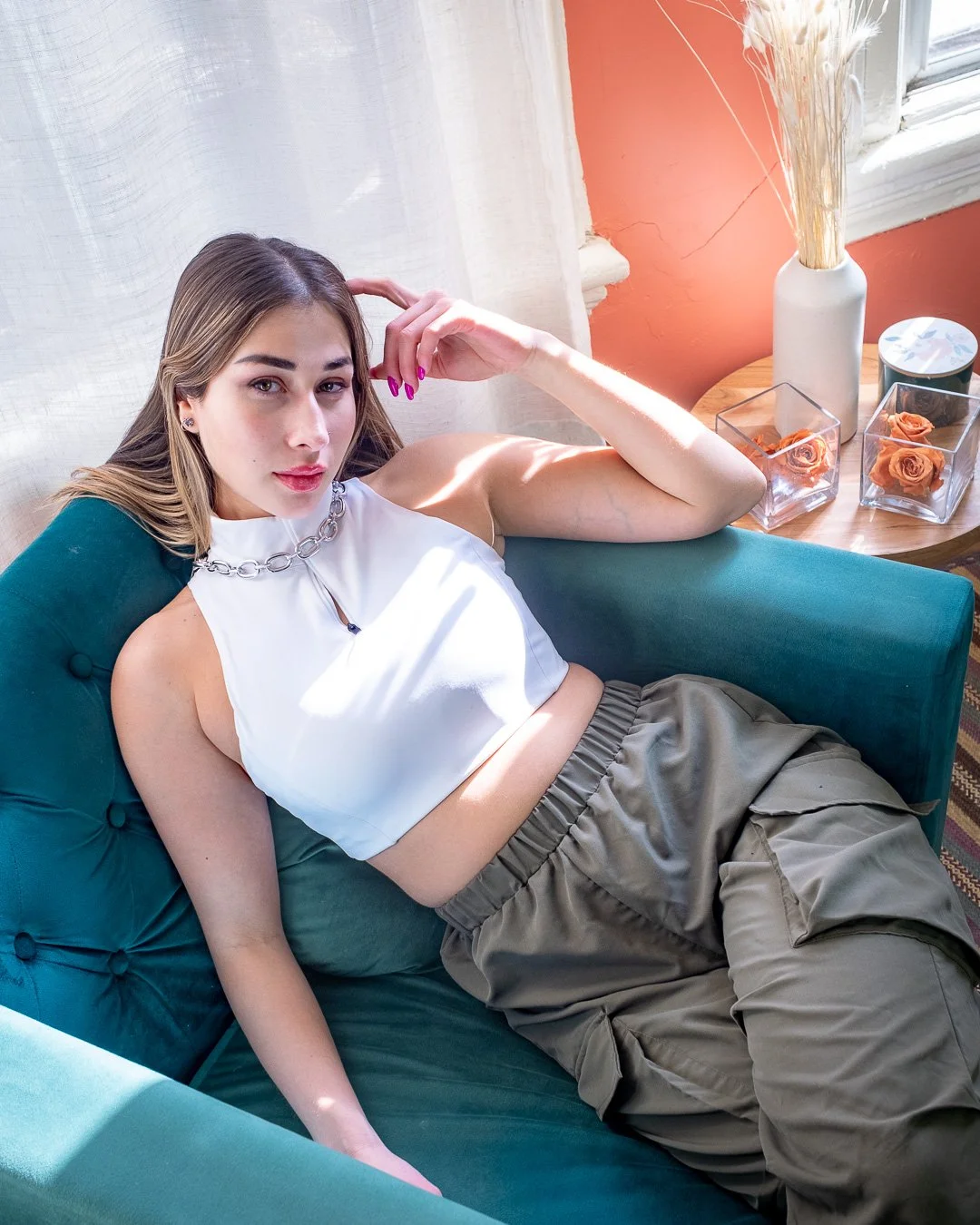
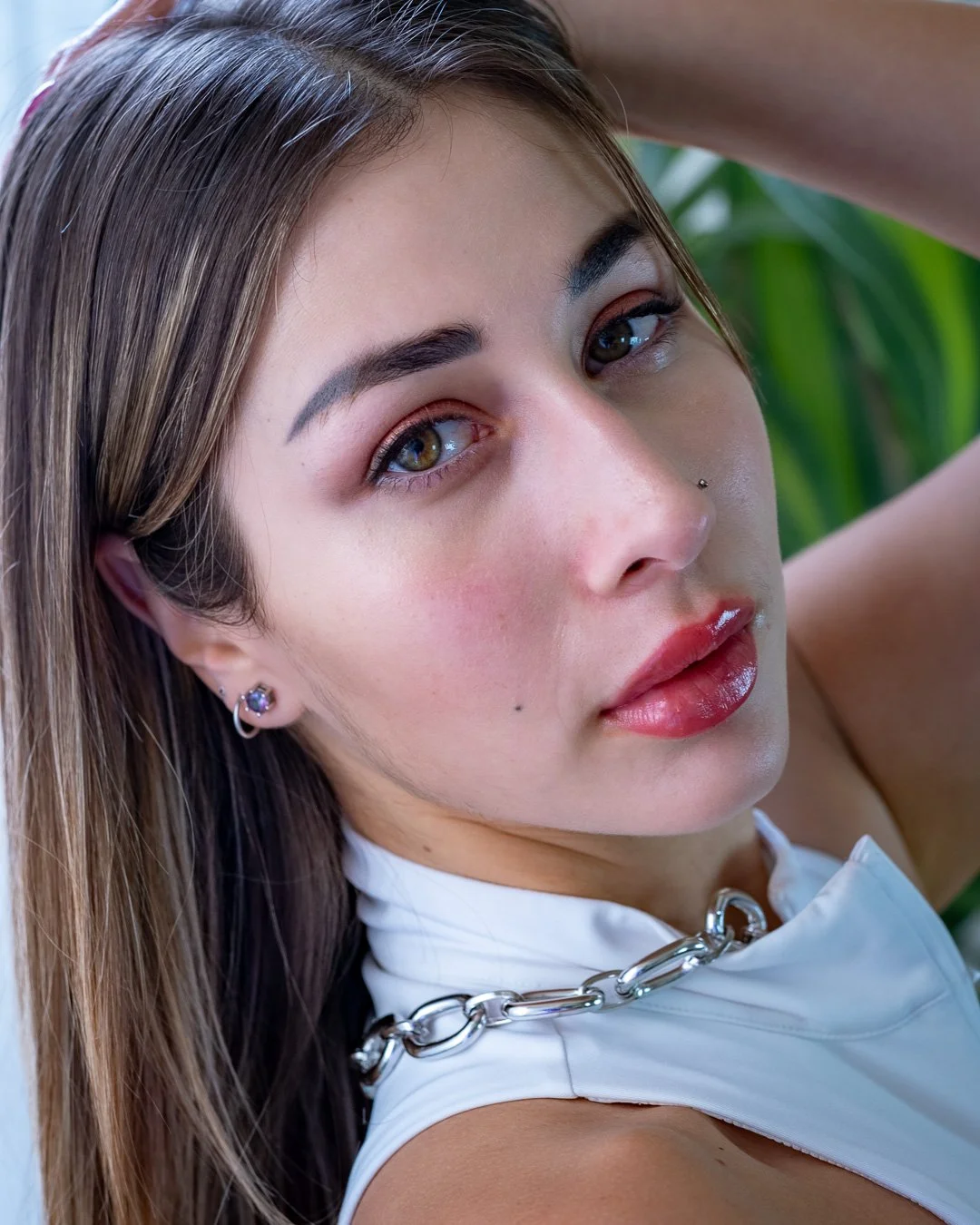
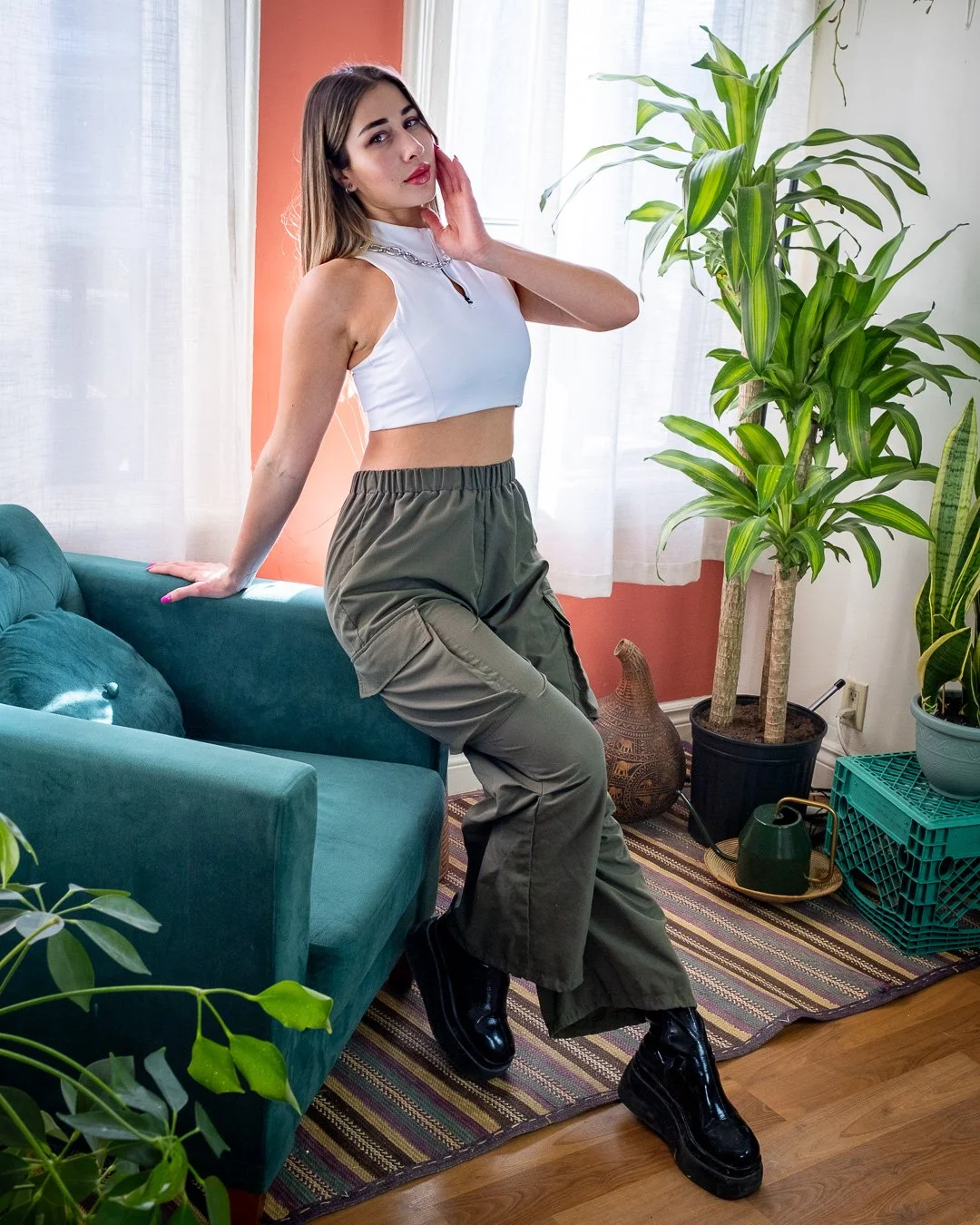
We worked with the natural light in the studio and added contrast to get that clean, high-impact look that reads well both as a small Instagram thumbnail and a full-width website hero image. We varied the distance, some close and intimate, some wider and more commanding, to give the library range without losing visual consistency.
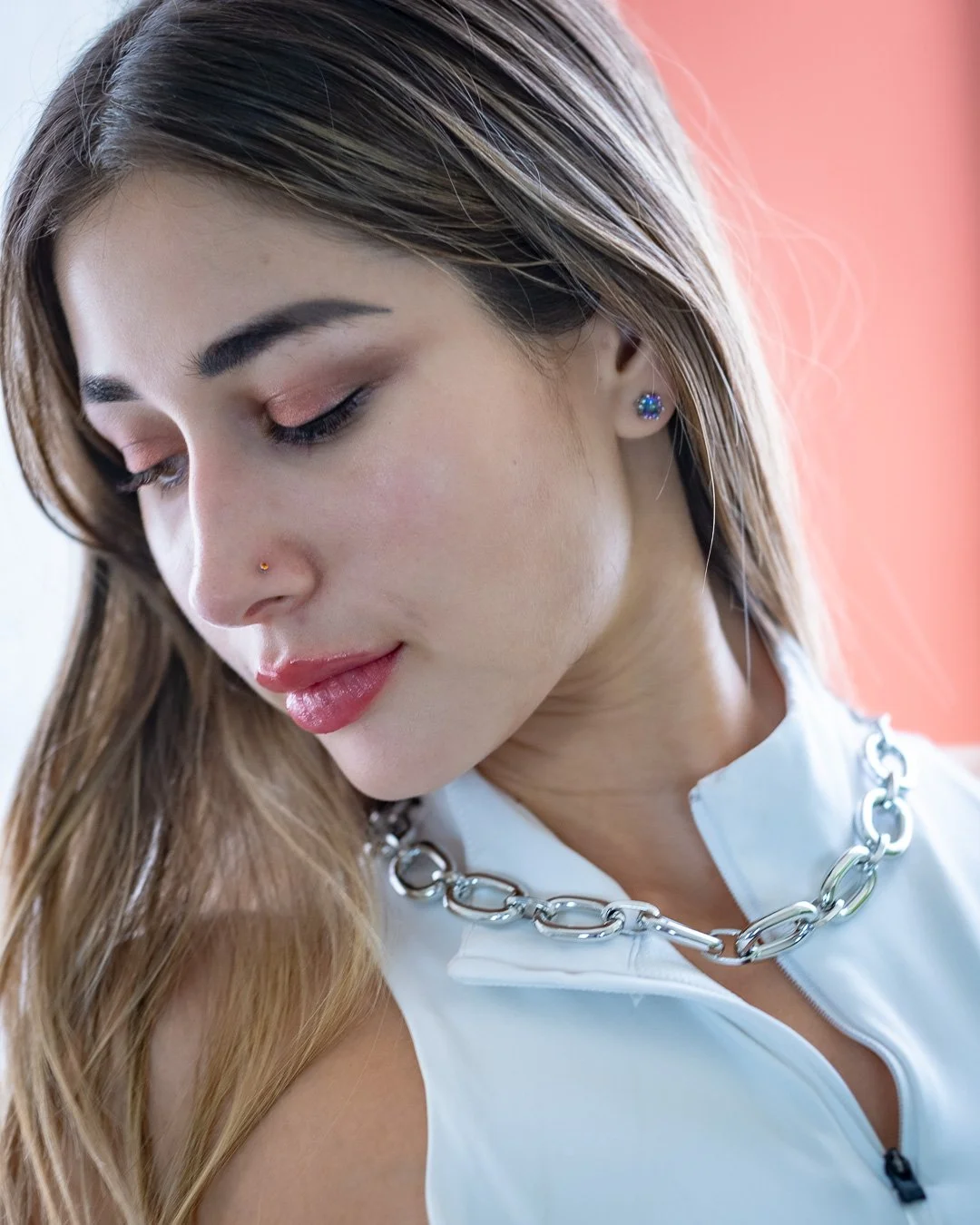
One moment I keep coming back to: there was a frame where she turned slightly away from camera and then looked back, and the light caught her face at exactly the right angle. It wasn't planned. Those moments never are. But they're what you're always working toward, when the person in front of you stops thinking about the camera and just exists in the space.
That's the frame that made it into the carousel.
What She Left With
Six images that work across every context she shows up in.
Not six variations of the same pose. Six genuinely different frames, different energy, different distance, different expression, that all feel cohesive because they come from the same visual language we established before we started shooting.
She left with images for her website header, her Instagram grid, her speaking profile, and her pitch materials. Content she can draw from for months without it feeling repetitive or inconsistent.
That's what a content library is supposed to do. Not fill a hard drive. Give you range.
What I'd Tell Anyone Building Their First Serious Content Library
Start with platforms, not poses. Know where the images will live before you plan how they'll look. A LinkedIn headshot and an Instagram cover image have completely different requirements. Build the shot list around the end use, not the other way around.
Brief your photographer like a creative director. The more specific you are about your audience and your goals, the more strategic the session becomes. "I want to look professional" is a starting point. "I need images that can hold the wellness side of my brand and the tech side without feeling like two different people" is a brief.
Build for range, not just your best day. Your library needs images for the confident launch post and the quiet, reflective caption. For the speaking bio and the casual Stories. Shoot for both moods intentionally, don't leave it to chance.
Your visual identity should be able to hold contradiction. You are not one thing. Your images shouldn't be either. The goal isn't to flatten yourself into a niche. It's to find the visual thread that connects all of it.
On brand, when you're a person, means something different every year. The goal isn't to pin it down forever. It's to make sure the images can grow with you.
If you're at the stage where your iPhone photos aren't cutting it anymore, where you know what you're building but your visuals aren't reflecting it yet, that's exactly where a content library session starts.
👉Book your session or free consultation here and let's build something that holds all of you.
📸 Shot at Pasky Studio, 94 Baldwin Street, Downtown Toronto 🤍 @heywhassup_ | @nrghaus | @web3andwellness