
Capturing Motion: The Art of Dance Photography in Toronto
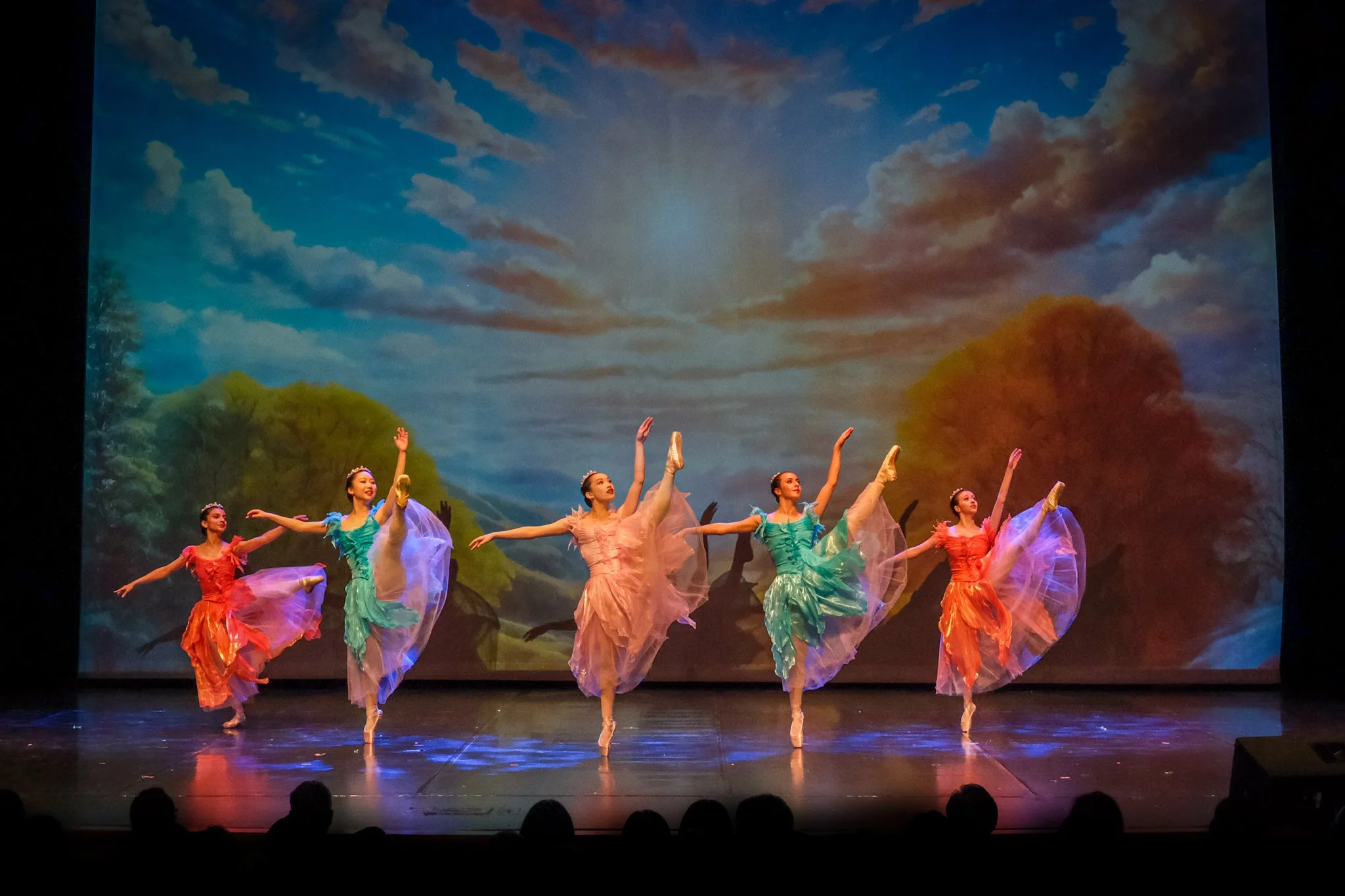
‘The Four Seasons’ Goh Ballet recital 2025
What five years with Goh Ballet taught me about movement, light, and what it really means to document a performance
This June marks my fifth year photographing Goh Ballet's annual recital.
I don't say that to impress you. I say it because year one was humbling.
I was shooting from the back of the Chinese Cultural Centre of Greater Toronto, far from the stage, one angle, working with whatever light the venue gave me and whatever moments I could catch from that distance. I came home with technically acceptable photos. But I knew I'd missed things. Moments that happened closer to the stage that I simply couldn't reach. Expressions I could see but not capture. The intimacy of the work, flattened by distance.
What changed everything was being invited back and eventually being booked for the dress rehearsal too. Suddenly I was right beside the stage. Close enough to see the effort in a dancer's face. Close enough for the light to actually do something. Close enough to plan specific shots for specific scenes rather than reacting to whatever I could catch from row twenty.
Five years in, I understand Goh Ballet's repertoire well enough to anticipate moments before they happen. That's not something you can manufacture. It's something you build.
That's what long-term creative partnerships do. And it's what I want to talk about in this post.
Why dance photography is its own discipline
Photographing dancers in a controlled studio session is one thing. Photographing a live performance is something else entirely.
In a studio, you control the light. You can ask for a moment to be repeated. You have time.
On stage, you have none of that. The lighting is designed for an audience, not a camera which means high contrast, deep shadows, colours that shift mid-scene. The movement happens once, at full speed, with no pauses. And you're working in a space where your presence cannot disrupt what's happening in front of you.
The technical challenge is real. Fast movement in theatrical lighting means you're constantly negotiating between shutter speed and exposure, freeze the movement and risk underexposing, open up the exposure and risk blur. There's no perfect setting. There's only the setting you've learned works for this specific stage, this specific lighting rig, this specific style of dance.
What Goh Ballet taught me, year over year, is how light and movement interact at that speed. How the light at the Chinese Cultural Centre behaves during a grand jeté versus a slow adagio. How much I can push the ISO before the image loses the quality I need for press and documentation purposes. How to read the rehearsal so I know which scenes will give me the frames worth waiting for.
That knowledge doesn't come from one shoot. It comes from showing up, learning, and being trusted to come back.

‘Alice in Wonderland’ Goh Ballet recital 2024
What documentation actually means for a performing arts organization
Here's something I think about a lot: the performance happens once. Maybe twice if there's a second night. The dancers train for months. The choreographers pour everything into the work. The production team builds a world on that stage.
And then it's gone.
What remains is the documentation.
Those images end up in grant applications. In annual reports. In the press packages that go to presenters, funders, and journalists. On the organization's website and social channels. In the personal portfolios of the dancers who performed. In the archive that tells the story of what this company built over years and decades.
That's not a small responsibility. And it's why I think about dance photography as something closer to visual journalism than portrait photography. My job isn't to make it look beautiful, though I want it to be beautiful. My job is to make sure the record is true, that someone who wasn't in that room can understand what happened there.
With Goh Ballet, that responsibility feels particularly meaningful. They've been training dancers in Vancouver and Toronto for decades. The work they do, preserving classical ballet while nurturing the next generation of artists in this city, deserves documentation that reflects the seriousness of what they've built.
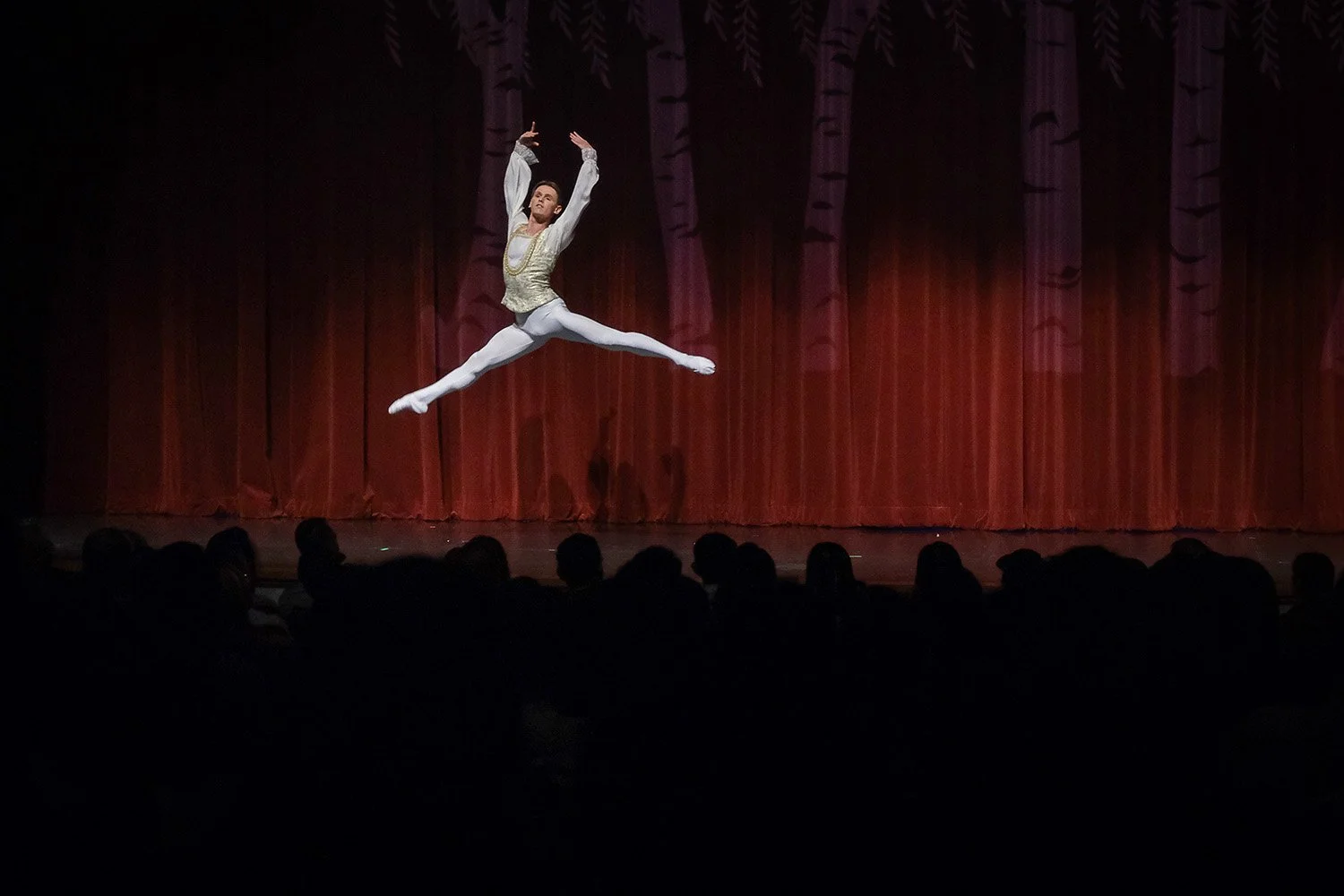
Goh Ballet recital 2023
What to look for when hiring a photographer for your arts organization
If you're an arts organization evaluating photographers for performance documentation or programming content, these are the questions worth asking:
Have they shot live performance before, not just studio work? Studio portraiture and live event photography are genuinely different skills. A technically strong portrait photographer may struggle with the speed, lighting conditions, and uncontrolled environment of a live performance. Ask to see work from real performances, not just posed shots of dancers.
Do they understand the end use of the images? Performance documentation serves multiple purposes: press, funders, social, archival. A photographer who understands that will make different creative decisions than one who's just trying to get beautiful frames. Ask how they approach a shot list for a live event.
Are they someone your organization can grow with? The best documentation comes from a photographer who knows your work, your repertoire, your aesthetic, your values. That takes time to build. A photographer who's been with you for multiple seasons will produce fundamentally different work than one hired for a single event, no matter how talented they are.
How do they handle access and logistics? Dress rehearsal access, stage proximity, communication with your production team, these things matter enormously for the quality of the final images. A photographer who's done this before will know to ask about them. One who hasn't may not realize what they're missing until the night of.
On showing up for five years
I'll be honest: I didn't know in year one that this partnership would become what it has.
I showed up, did my best work from the back of the room, and hoped I'd be invited back. I was. And every year since, the access has grown, the work has gotten closer to what I want it to be, and my understanding of what Goh Ballet is building has deepened.
That's the version of this work I find most meaningful, not the single shoot, but the ongoing relationship. The chance to actually know what an organization is trying to say, and to help them say it visually, year after year.
If you're building something worth documenting, a production, a season, a decade of work, I'd love to talk about what that looks like.
👉Get in touch here what your organization needs.
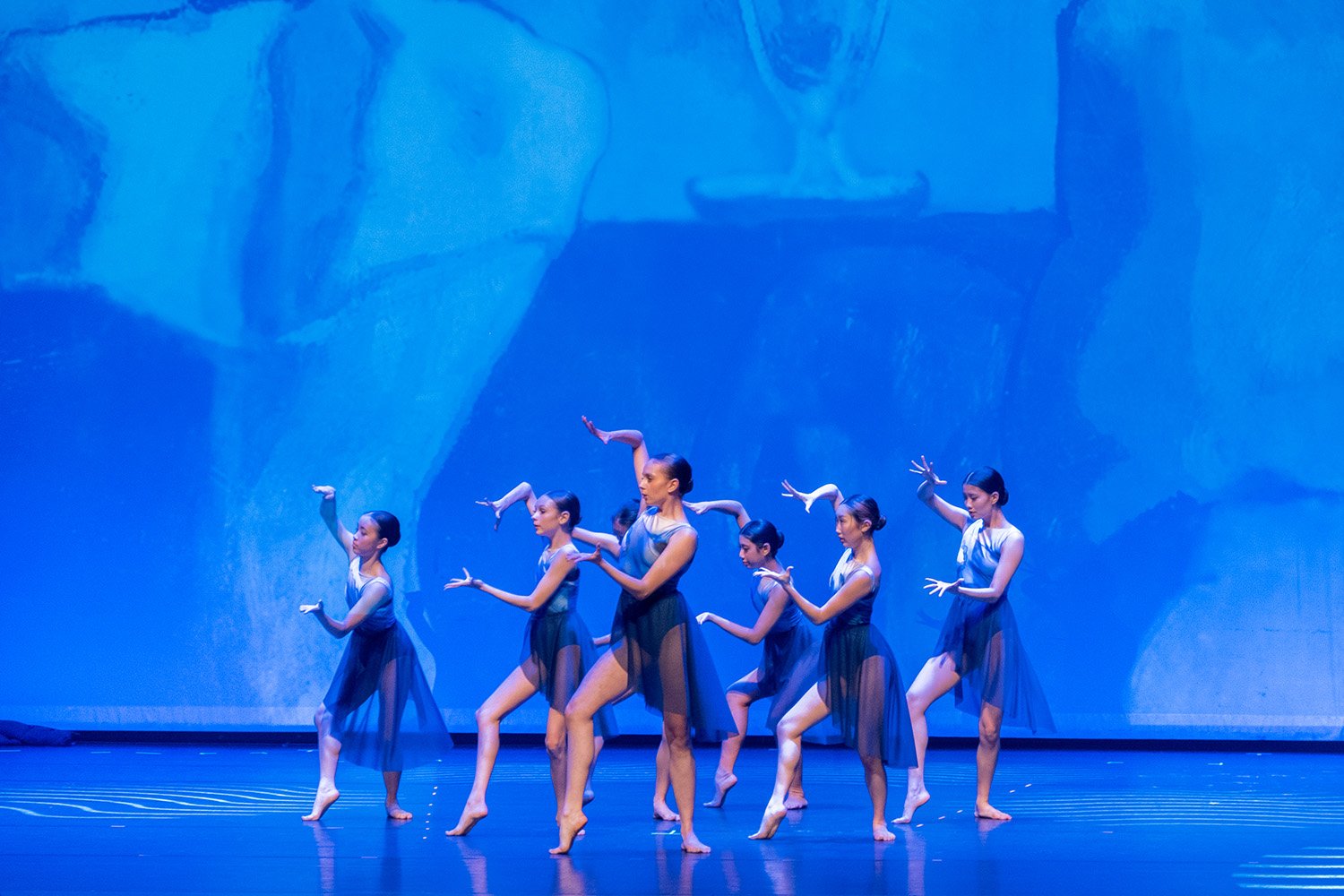
Goh Ballet recital 2022
📸 All images from Goh Ballet's annual recital, Chinese Cultural Centre of Greater Toronto 🤍 @gohballet